Cities that give back more than they take.
Orchid City turns a real place into a net-positive city. Energy, water, food, and work are produced on site, biodiversity returns, and daily life stays within a short walk.
Cities use most of the world's energy and emit most of its carbon. We design the ones that don't.
The next thirty years add two billion people to the world's cities. Built the usual way, that growth deepens the problem. Built as Orchid Cities, it repairs it.
of the world's energy is used in cities, which emit over 70% of its carbon.
cities already faces a severe water shortage, and the count climbs every year.
more people will lack a decent, affordable home by 2030.
See the vision in motion.
A method that designs a city for its place.
Give it a real place. It gives back a city that fits.
Most eco-cities are one showcase, designed once and copied everywhere. Orchid City is a system. It reads a place's climate, water, economy, and culture, then draws on decades of research and a network of 25+ partners to design a city for that place: one that pays for itself and gives more than it takes.
The same method suits a Dutch polder or a tropical delta, a town of 500 or a city of 100,000. Energy, water, food, waste, transport, work, learning, and housing are designed as one living system, not patched together one problem at a time.
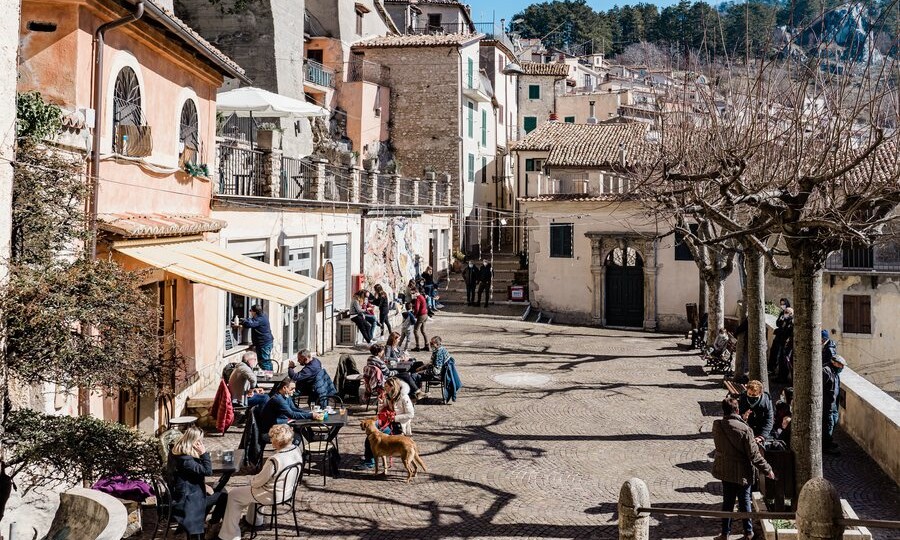
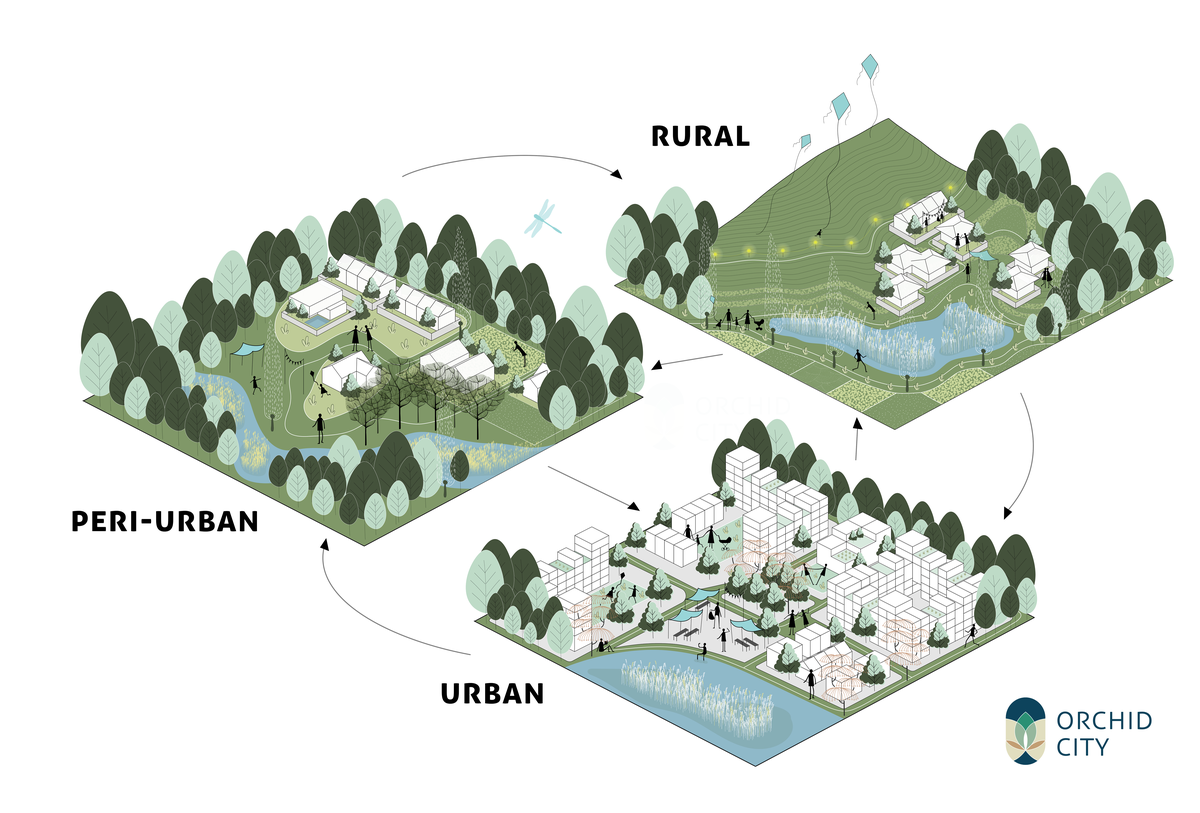
One living system, designed around the people already there.
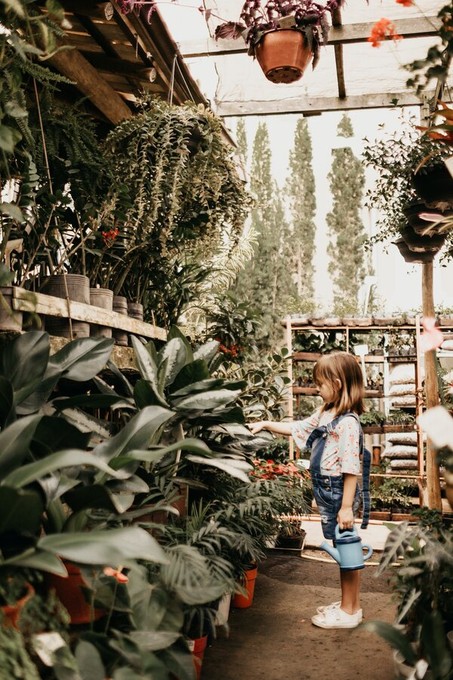
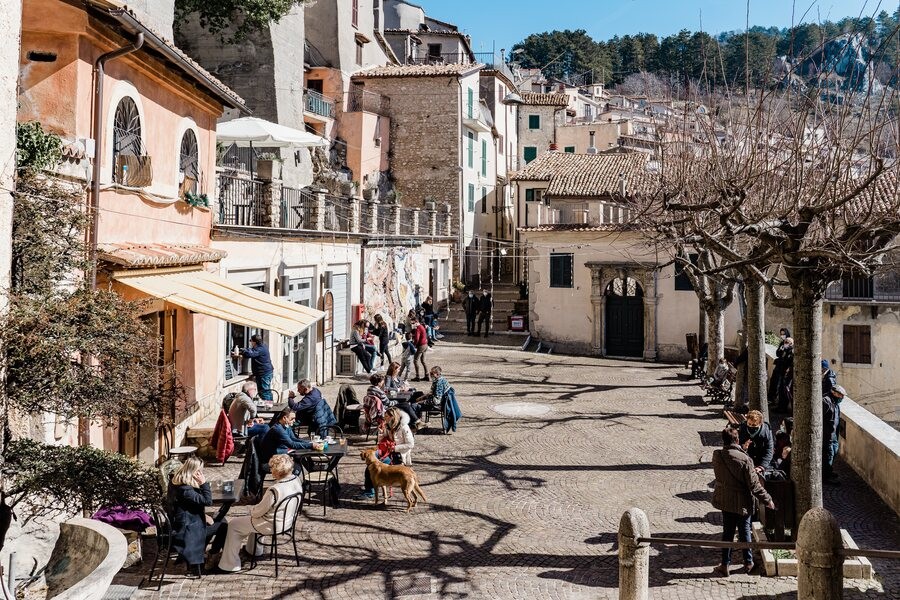
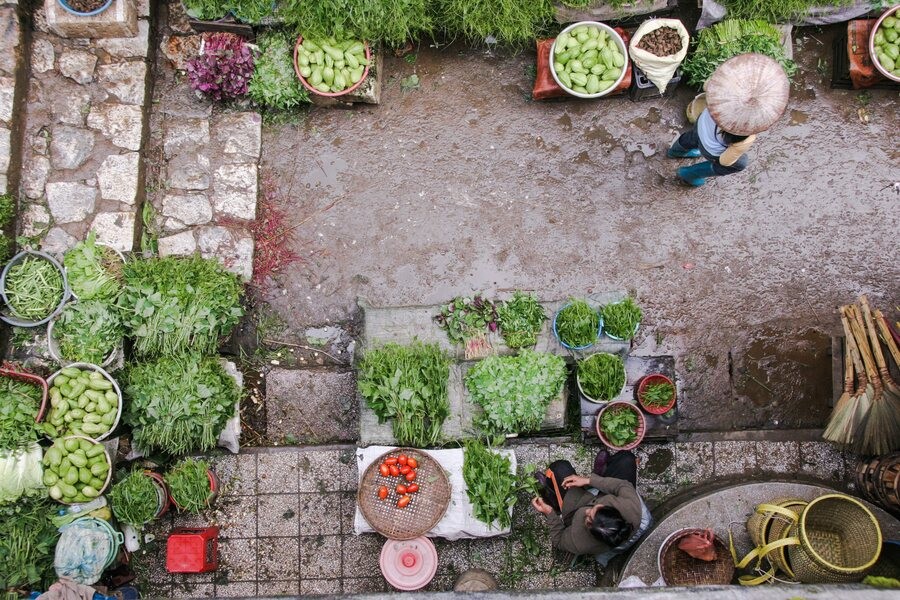
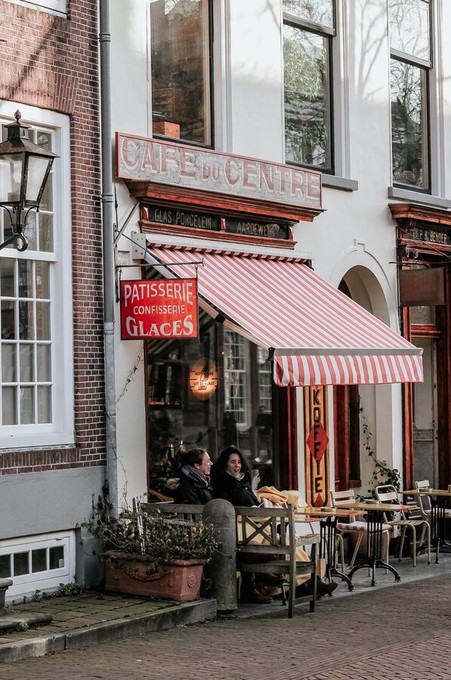
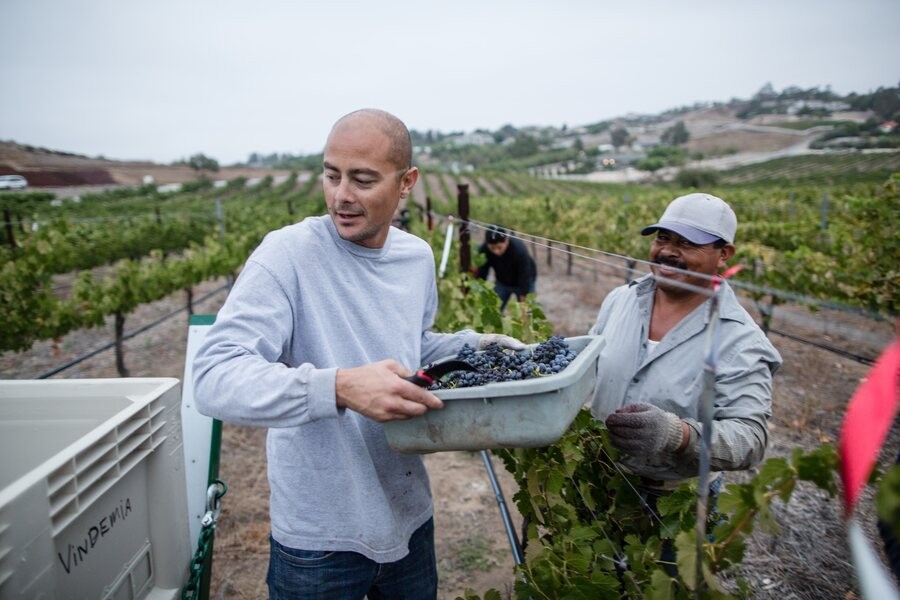
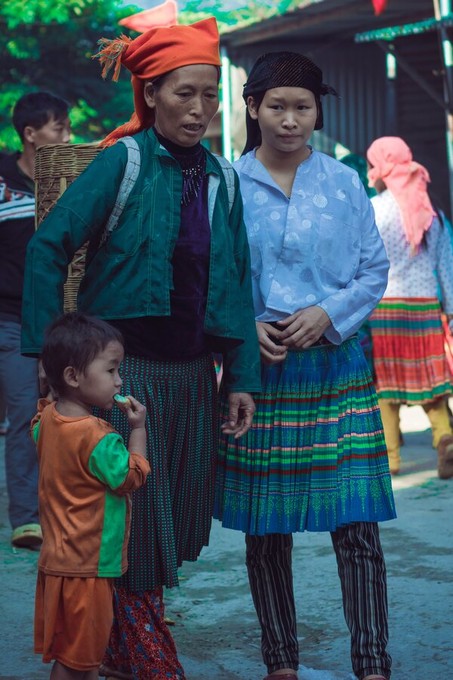
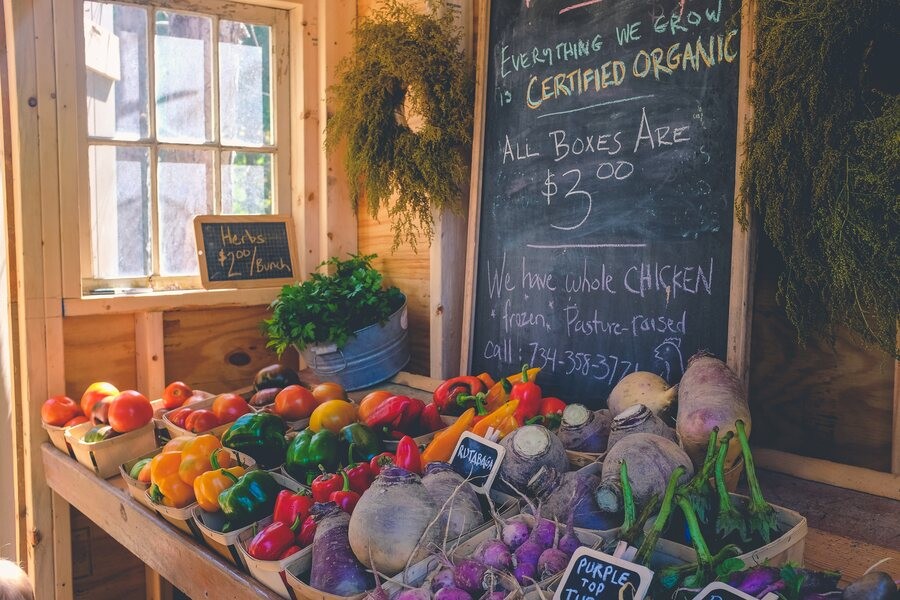
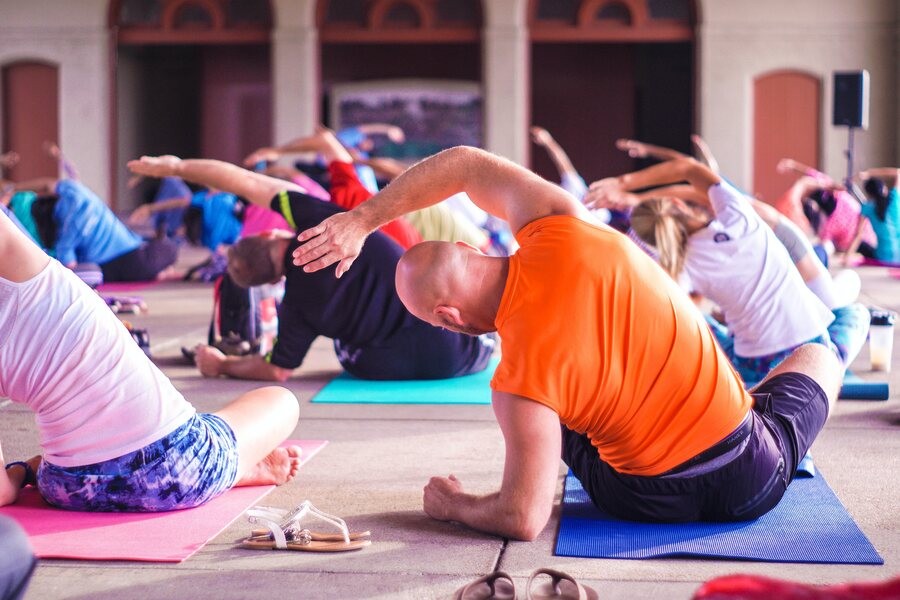
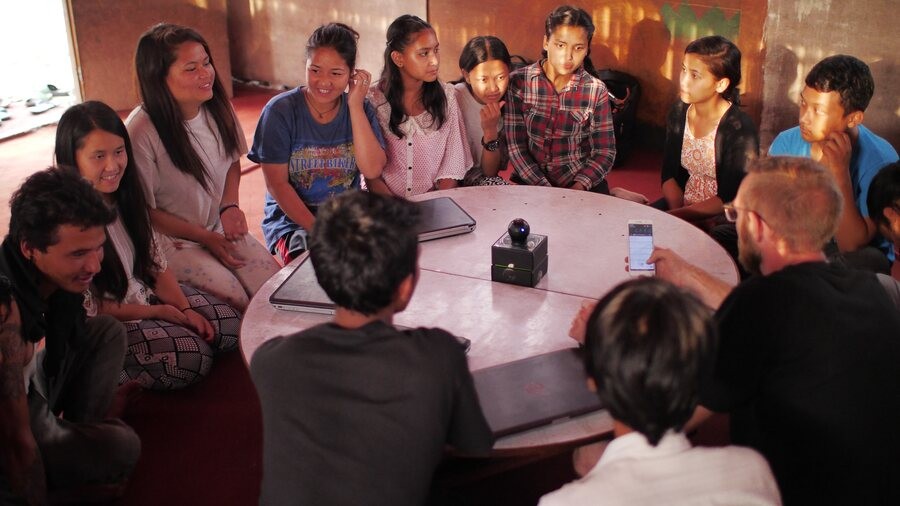

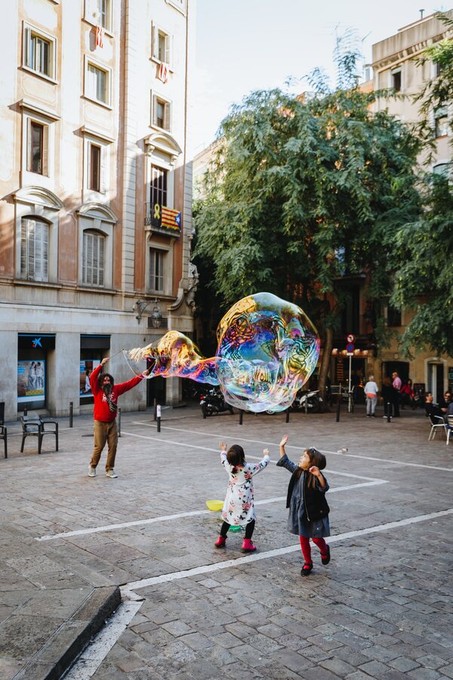
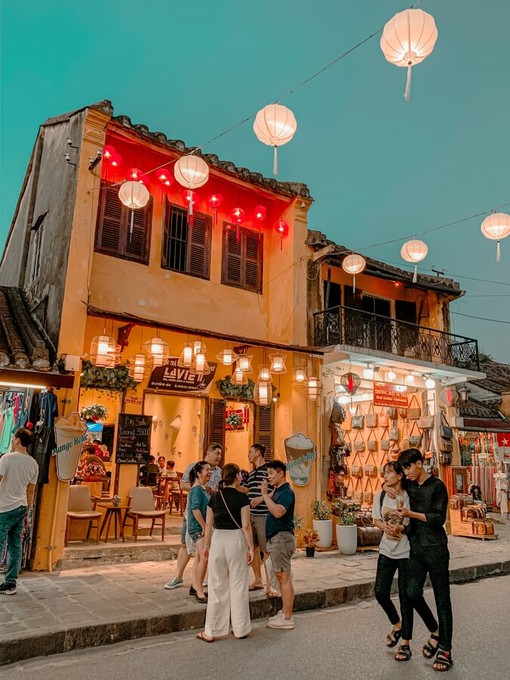

Productive landscape, walkable density, and water woven through every district.
Three principles behind every Orchid City.
Resilience
A city that absorbs shocks and keeps running. Car-free neighborhoods, local solar, wind, and storage, and landscapes that hold floodwater. When the climate, the economy, or a supply chain falters, an Orchid City keeps its people housed, fed, and connected.
Autonomy
Self-reliant in the essentials. A city of 5,000 makes more energy and water than it uses, and grows as much food and work as it needs. Self-reliance grows with size, from about 75% at 500 residents to over 95% at 15,000.
Harmony
Room for people and the living world at once. In the Netherlands design, 80% of the land goes to farming and 12% to wild nature, biodiversity returns in full, hundreds of beehives work the fields, and every generation lives within walking distance of daily life.
What a single Orchid City delivers.
Per Orchid City of 15,000 residents. Figures grow with size.
Three blueprints, three continents.
Each is a complete design for a real region, drawn to its own climate, water, and culture. One method, shaped three ways, from reclaimed polder to river delta. These are ready to build.
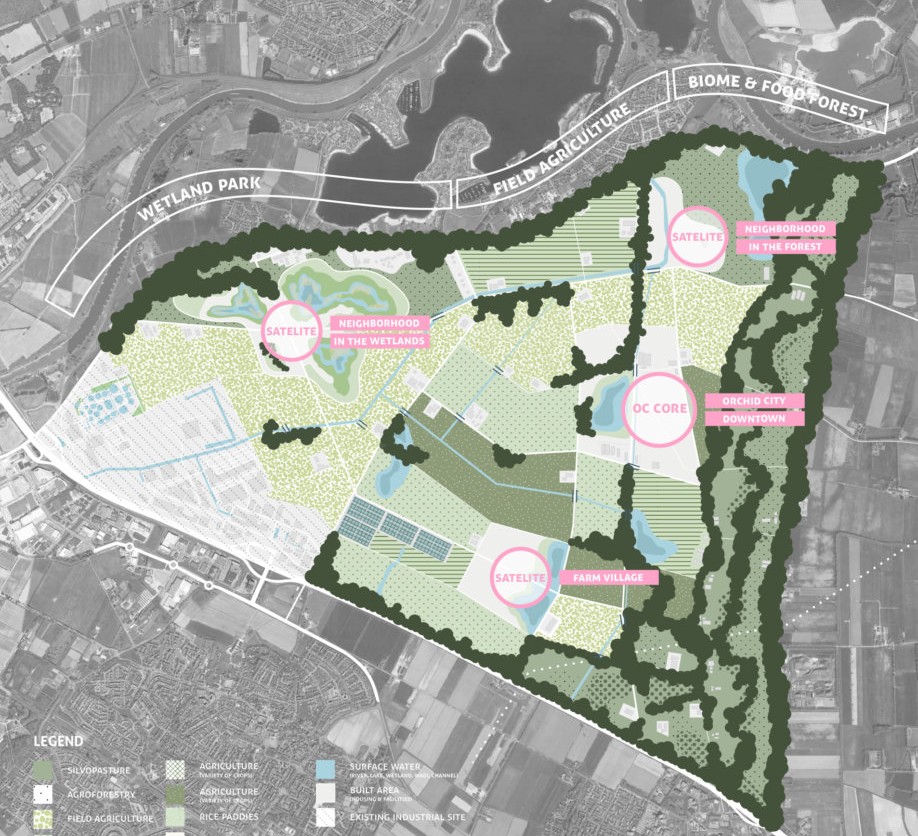
The Woods
Rewilding woven through farming and higher learning. Greenhouses, agricultural research, and homes for every generation on former polder land, built for a changing climate and for people who could not otherwise afford to live well.
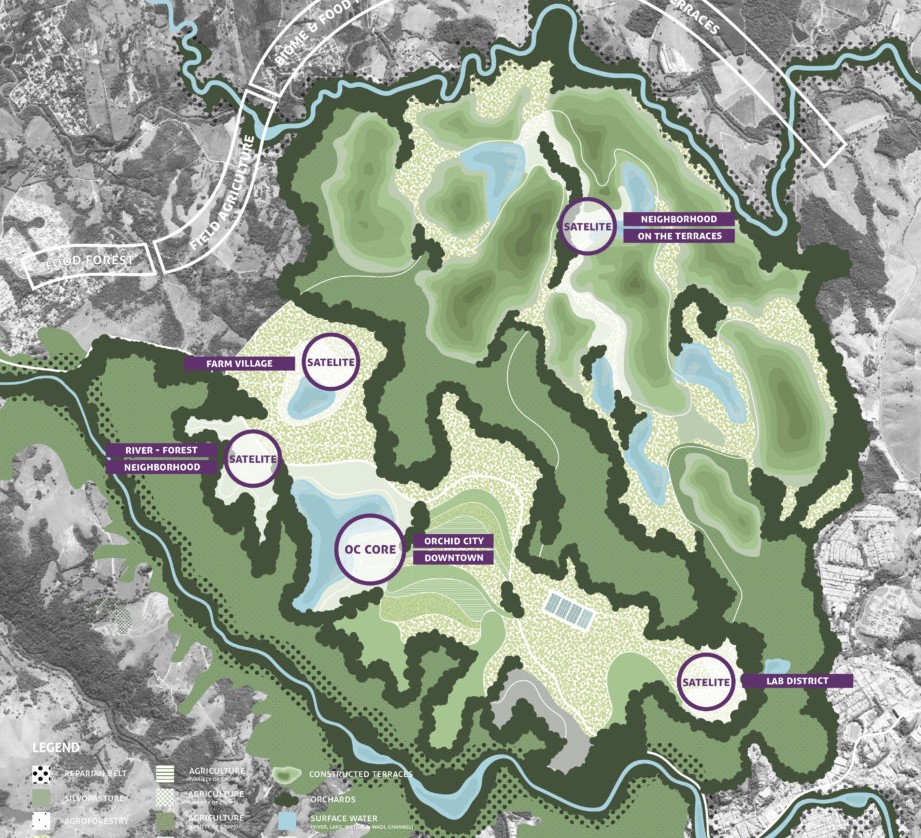
The Valley
A lakeside center held by terraced farms, river-forest neighborhoods, wetlands, orchards, and food forests. Built around safety, belonging, and the return of land and water to health.
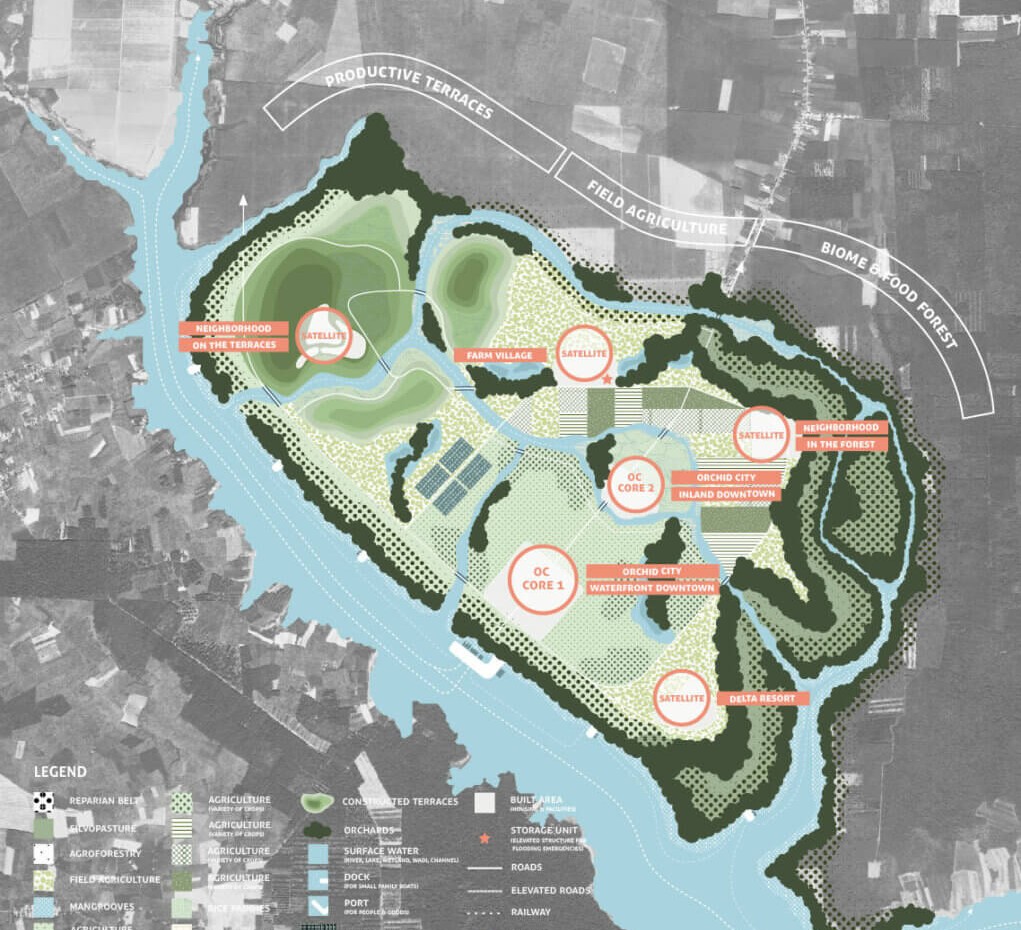
The Delta
Homes on stilts and raised ground along a mangrove waterfront, with a floating market, rice terraces, fish ponds, and aquaculture. Built to live with the water, and to keep good work close to home.
Built over 25 years, with 25+ partners.
Orchid City is the work of Except and a network across architecture, engineering, energy, finance, and government.
A network of 25+ partners, including



























Find your way into Orchid City.
The research is done and the partners are in place. The proof is on the table. All that's left is a place to build the first one.