 Netherlands · The Woods
The Woods
On reclaimed polder land, a city where rewilding, regenerative farming, and higher learning share the same ground.
A small city on a large landscape.
The Woods sits on former polder, the low-lying land the Dutch reclaimed from water. Most of it stays open, working as farmland and wild nature.
residents, from students and young families to elders, each within walking distance of daily life.
of polder in total, with only 33 hectares built. The rest stays open land.
of the land works as regenerative farmland, with another 12% given back to wild nature.
The Woods: a small city on a large, working landscape.
Farms, food forests, and a craft school on one site.
Reclaimed land that works as nature and as a place to live.
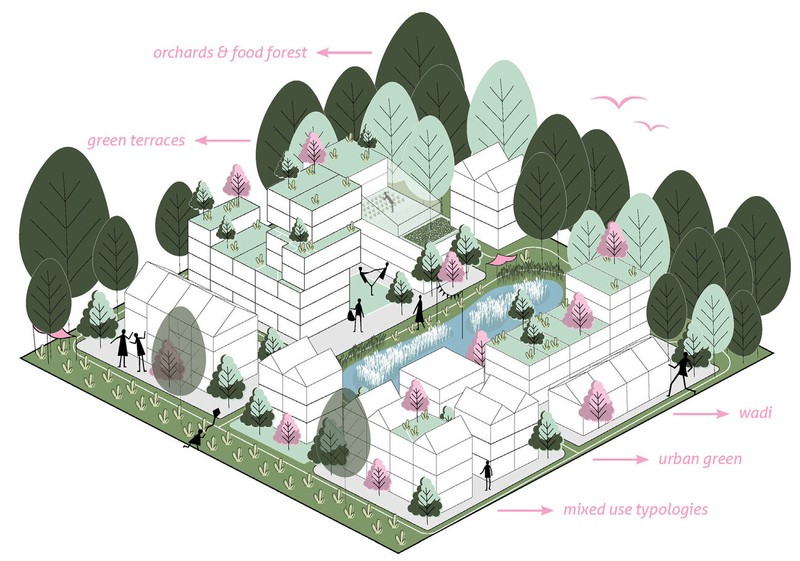
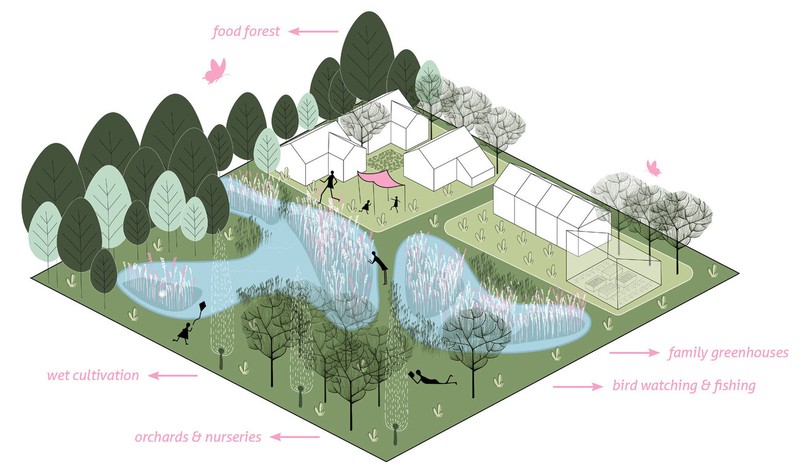
The Woods reads the Dutch polder for what it is: flat, fertile, low, and shaped by water. The design answers with wetland neighborhoods, a compact urban downtown, a farm village, and food forests, all held together by wadi water management that holds rain where it falls. High-tech circular greenhouses and pick-your-own farms grow food beside agricultural research and a craft school.
This is a city built for a changing climate and for people priced out of living well. Homes run from student housing to elderly homes, so every generation lives close. The moderate sea climate, the research base, and the open land make The Woods a place to study regenerative living while doing it.
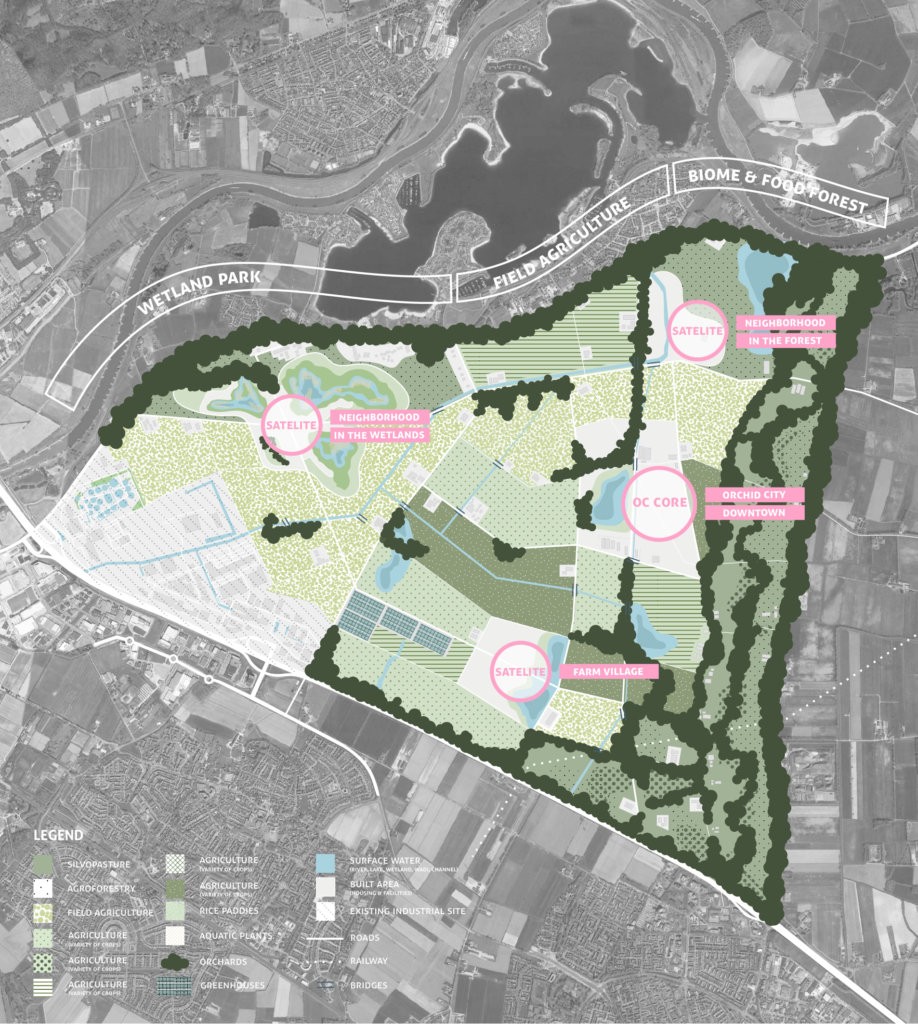
Resilience, autonomy, and harmony on the polder.
Resilience
Wadi water management and wetland neighborhoods hold floodwater on reclaimed land that sits below sea level. Local solar, wind, and storage keep the city running when the wider grid or climate falters. The Woods is built to adapt as the climate shifts.
Autonomy
Circular greenhouses, pick-your-own farms, and open fields grow the city's food. A city of 5,000 produces more energy and water than it uses, and creates the work its residents need, so daily life does not depend on supply chains far away.
Harmony
Eighty percent of the land farms, twelve percent returns to wild nature, and homes for every generation sit within a short walk of schools, work, and the food forest. People and the living world share the same polder rather than competing for it.
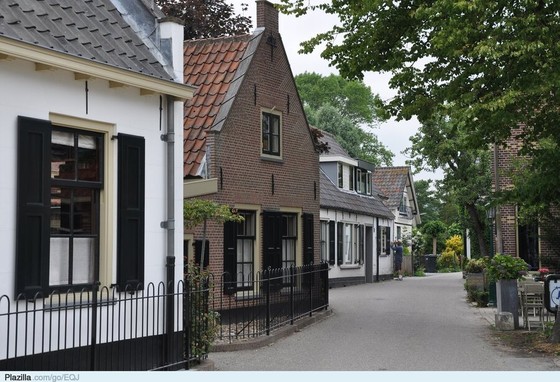
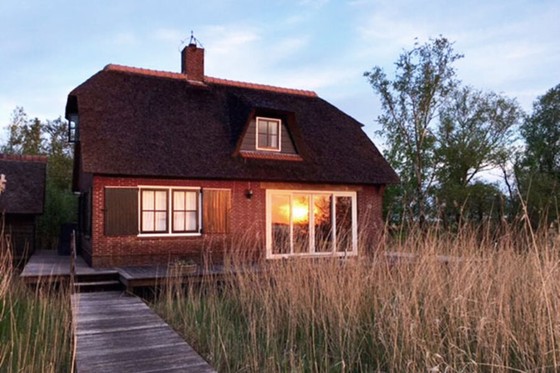
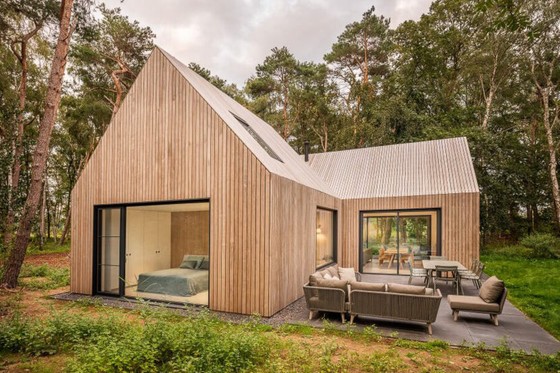
Three neighbourhoods, one city.
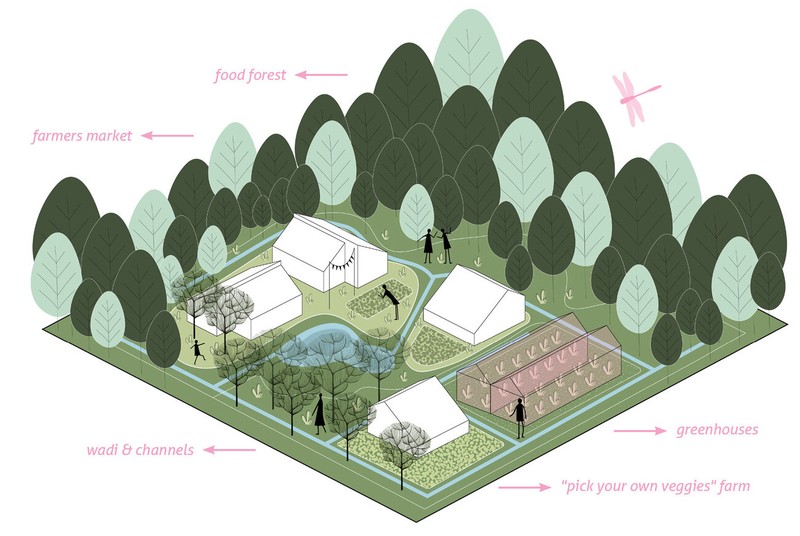
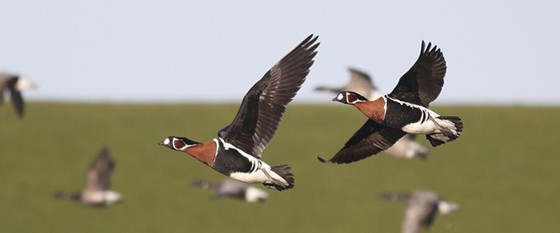
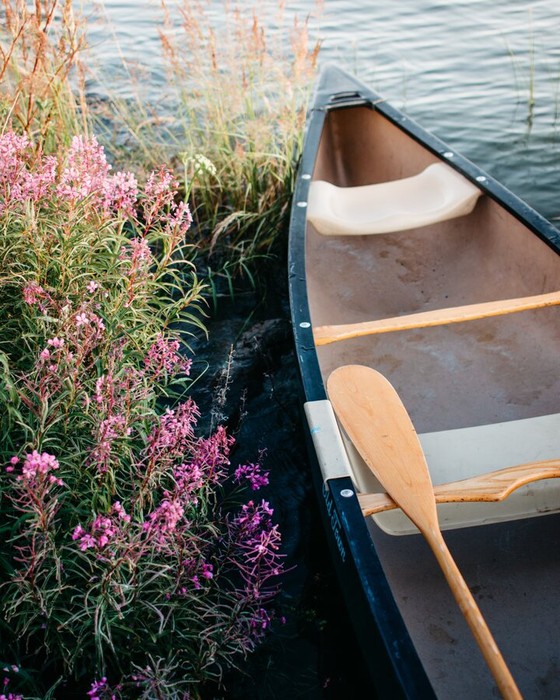
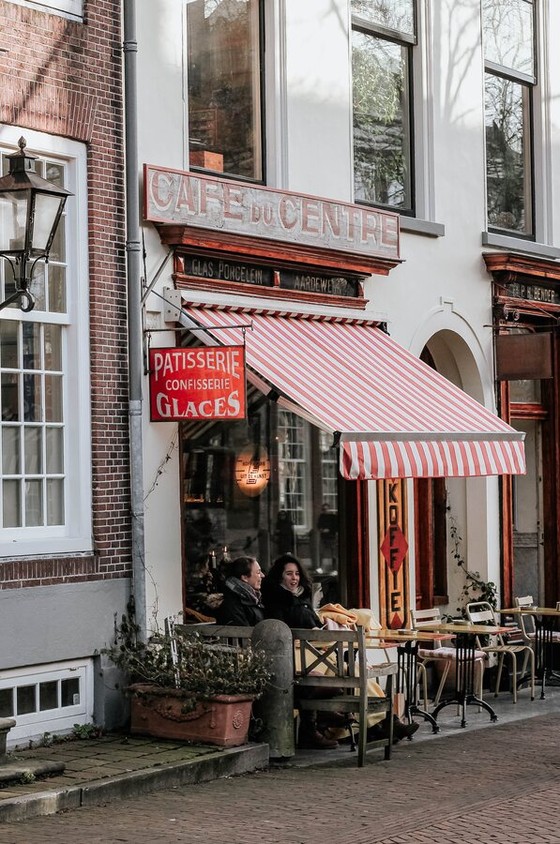
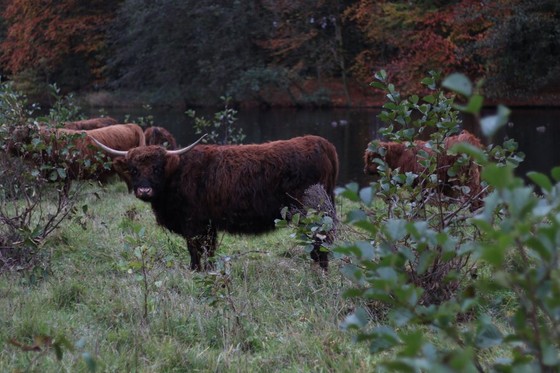
The landscape behind The Woods.
See the other blueprints, or talk to us.
The Woods is drawn for real polder, ready to build once a place and a partner are in place.